
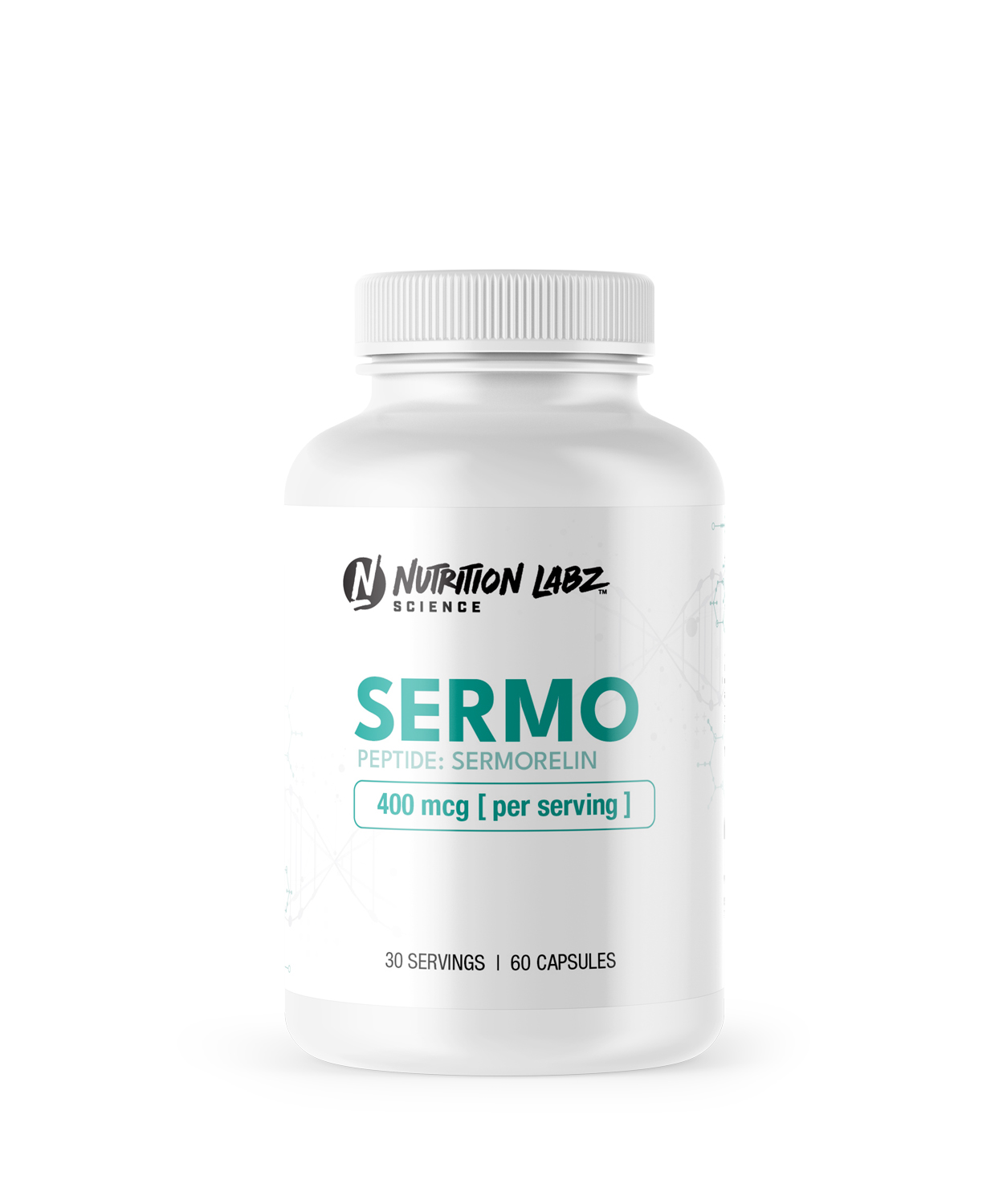
SERMO PEPTIDE: SERMORELIN
Sermo Peptide (Sermorelin Acetate) is a synthetic analog of growth hormone-releasing hormone (GHRH) designed to stimulate the body’s natural production of human growth hormone (hGH). Comprising the first 29 amino acids of endogenous GHRH, the portion essential for biological activity, Sermorelin promotes GH release from the anterior pituitary, supporting physiological functions such as lean muscle development, fat metabolism, bone remodeling, and recovery. Unlike direct hGH therapy, Sermorelin enhances endogenous hormone release, preserving the natural pulsatile rhythm of GH and reducing side effect risks.
$115.00
🚚 Free shipping on all orders (US Only )
🔄 All sales are final
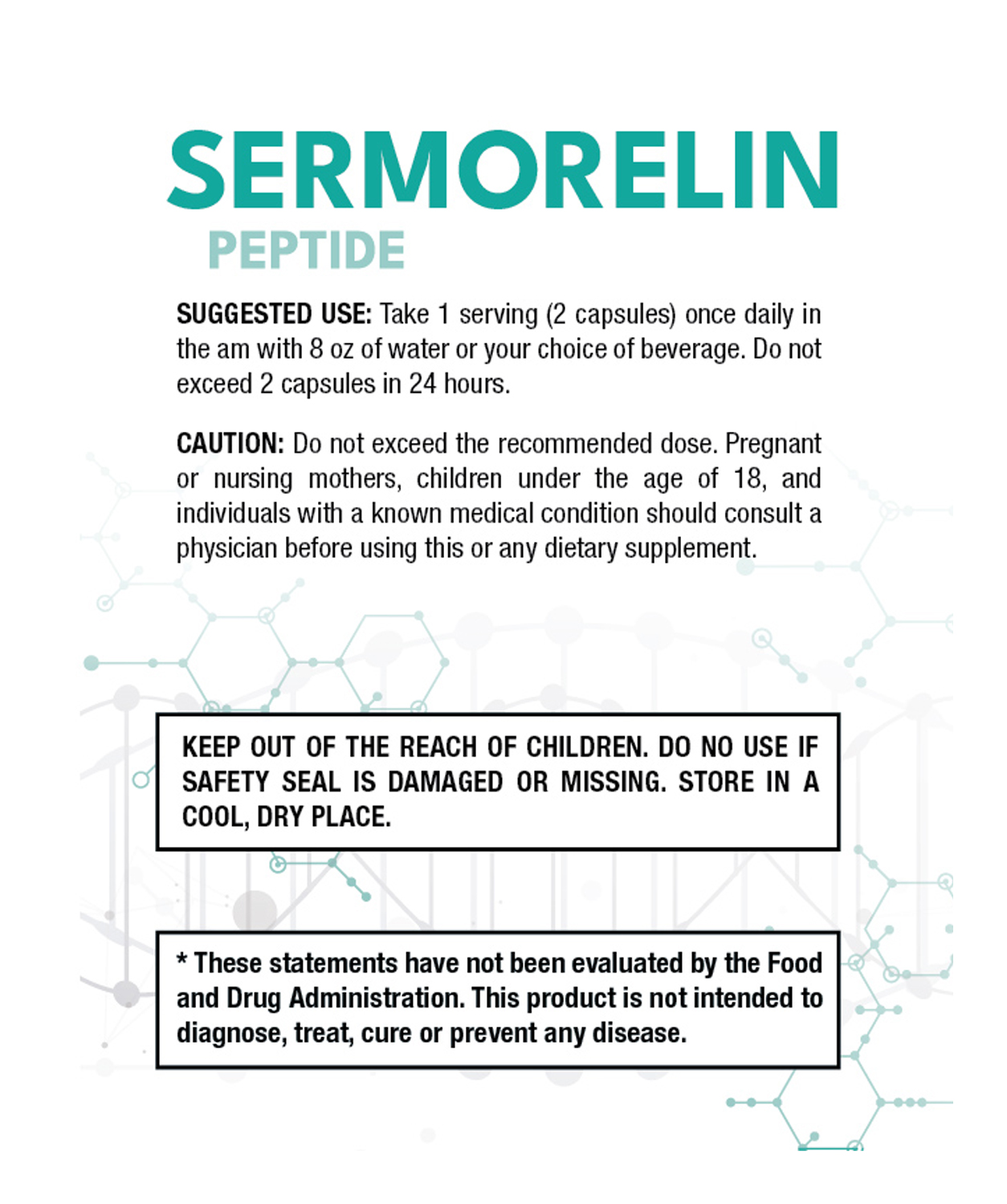
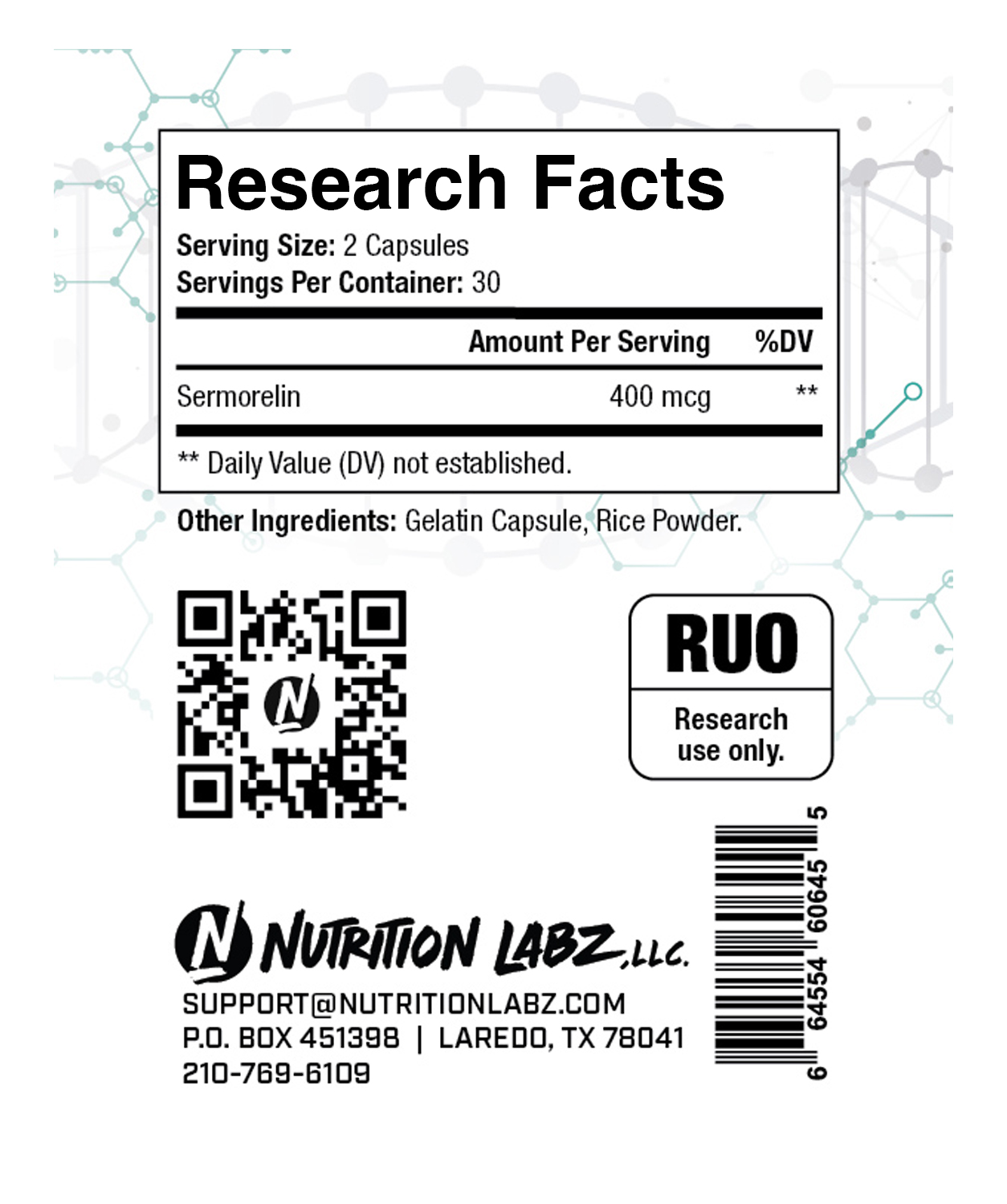
FDA Disclaimer: The statements made within this website have not been evaluated by the US Food and Drug Administration. The statements and the products of this company are not intended to diagnose, treat, cure or prevent any disease. All products are for laboratory developmental research USE ONLY. Products are not for human consumption.
Overview
Sermorelin is classified as a GHRH analog peptide and acts by binding to GHRH receptors on pituitary somatotrophs. This interaction triggers the cAMP/PKA signaling cascade, leading to a physiological burst of GH release. GH subsequently stimulates hepatic and peripheral production of insulin-like growth factor 1 (IGF-1), a primary mediator of anabolic processes such as muscle hypertrophy, fat lipolysis, and connective tissue repair.
Clinical applications of Sermorelin have extended from its original FDA-approved use for pediatric growth hormone deficiency to off-label use in adults aiming to restore optimal GH/IGF-1 levels, especially during aging or catabolic states.
Key reported benefits include:
- Increased lean muscle mass
- Accelerated tissue repair and recovery
- Improved fat oxidation and metabolic health
- Enhanced skin thickness and collagen integrity
- Maintenance of pituitary function and hormone rhythm
Structure
- Peptide Name: Sermorelin Acetate
- Sequence: Tyr-Ala-Asp-Ala-Ile-Phe-Thr-Asn-Ser-Tyr-Arg-Lys-Val-Leu-Gly-Gln-Leu-Ser-Ala-Arg-Lys-Leu-Leu-Gln-Asp-Ile-Met-Ser-Arg-NH₂
- Molecular Formula: C₁₄₉H₂₄₆N₄₄O₄₂S
- Molecular Weight: ~3357.96 Da
- Class: Growth Hormone – Releasing Hormone (GHRH) Analog
- Form: Lyophilized powder (reconstituted with bacteriostatic water for injection)
- Half-Life: Approximately 10-20 minutes (short-acting)
Sermorelin mimics the first 29 amino acids of endogenous GHRH, which are sufficient for full receptor activation and GH-releasing activity.
Research
Mechanism of Action:
Sermorelin stimulates GH release by activating GHRH receptors on pituitary cells, triggering natural GH pulsatility. This enhances IGF-1 production, which promotes muscle repair, fat metabolism, and connective tissue synthesis. Sermorelin also maintains hypothalamic-pituitary feedback loops, reducing the risk of GH overdose.
Clinical Studies:
- Lean Muscle Mass: In a 16-week randomized controlled trial, Sermorelin (10 µg/kg nightly) raised IGF-1 and increased lean mass by ~1.26 kg in older men (Khorram et al., 1997).
- Fat Distribution: Sermorelin improved waist-to-hip ratio in older men in a short-term trial (Corpas et al., 1992).
- Skin and Collagen: Increased dermal thickness observed after 4 months of treatment in both genders.
- Metabolism: Improved insulin sensitivity and fasting glucose levels were reported alongside IGF-1 elevation.
- Recovery and Wound Healing: Preclinical studies suggest GHRH analogs accelerate healing via fibroblast activation, while clinical reports link sermorelin to faster recovery post-injury.
- Bone Health: Long-term GH restoration via IGF-1 is associated with increased bone density; sermorelin is expected to contribute through IGF-1 elevation over extended periods.
- Quality of Life: Patients report improved energy, sleep, and libido. Blood pressure was modestly reduced in some trials.
Dosage and Protocols:
- Typical Dose: 0.2–0.3 mg subcutaneously, once daily at bedtime
- Alternative Protocols: Higher dosing (e.g., 500 µg – 1 mg) based on weight and IGF-1 response
- Onset: IGF-1 increase detectable within 2–3 weeks
- Cycle: Used continuously or in 3–6 month cycles with lab monitoring
Safety Profile:
- Common Effects: Injection site redness, transient flushing, mild fatigue
- Rare Effects: Allergic reactions (rash, swelling)
- Contraindications: Active cancer, pregnancy, breastfeeding
- Drug Interactions: May be influenced by thyroid status and glucocorticoids
Comparisons:
- Vs hGH (Somatropin): Sermorelin stimulates endogenous GH in a regulated manner, reducing overdose risks, whereas hGH injections bypass feedback loops and may suppress pituitary function.
- Vs Tesamorelin: Tesamorelin has a longer half-life and stronger visceral fat-reducing effect, but sermorelin is more physiologic and accessible for general GH support.
- Vs Ghrelin mimetics (e.g., Ipamorelin): Sermorelin acts via GHRH receptors; ghrelin mimetics act via GHS-R. Combined protocols may enhance GH release synergistically.
Referenced Citations
- Walker RF. “Sermorelin: a better approach to management of adult-onset growth hormone insufficiency?” Clin Interv Aging. 2006;1(4):307–313.
- Dioufa N, Schally AV, et al. “Acceleration of wound healing by growth hormone-releasing hormone and its agonists.” PNAS. 2010;107(43):18611–18615.
- Ishida A, et al. “Growth hormone secretagogues: history, mechanism of action, and clinical development.” JCSM Rapid Comm. 2020;3(1):25–37.
- Corpas E, et al. “GHRH-(1-29) twice daily reverses decreased GH and IGF-I in old men.” J Clin Endocrinol Metab. 1992;75(2):530–5.
- Khorram O, et al. “Endocrine and metabolic effects of long-term [Nle27]GHRH-29 in age-advanced men and women.” J Clin Endocrinol Metab. 1997;82(5):1472–9.
- Eden Medical. Tesamorelin vs. Sermorelin – Peptide Comparison Guide, 2023.
- Innerbody Research. Sermorelin Review: Anti-Aging, Dosage, and Results, 2024.
- Healthline. Sermorelin Therapy Benefits, Risks, and What to Expect, 2023.
- FDA Prescribing Information: Egrifta (Tesamorelin), NDA 022505.