
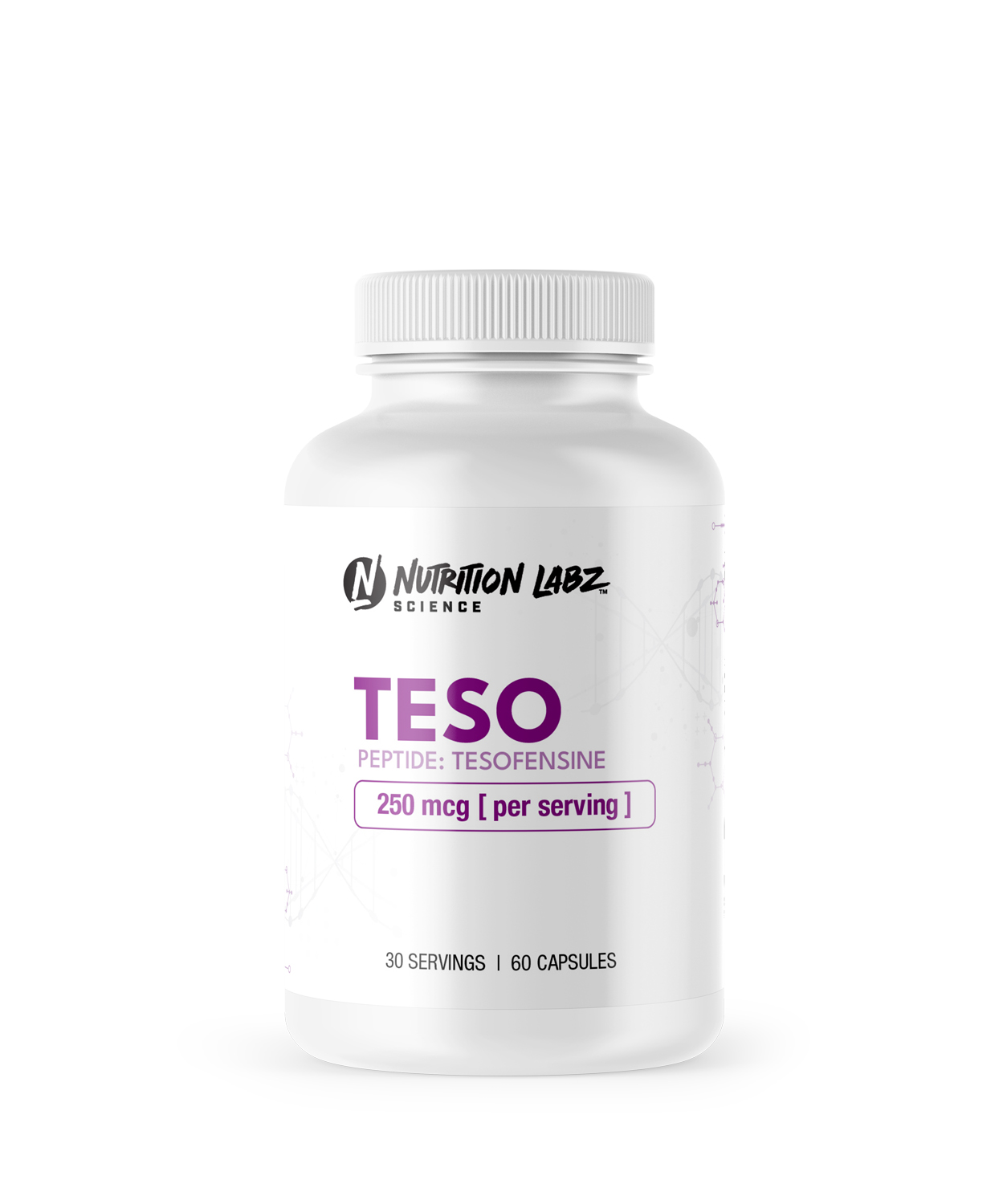
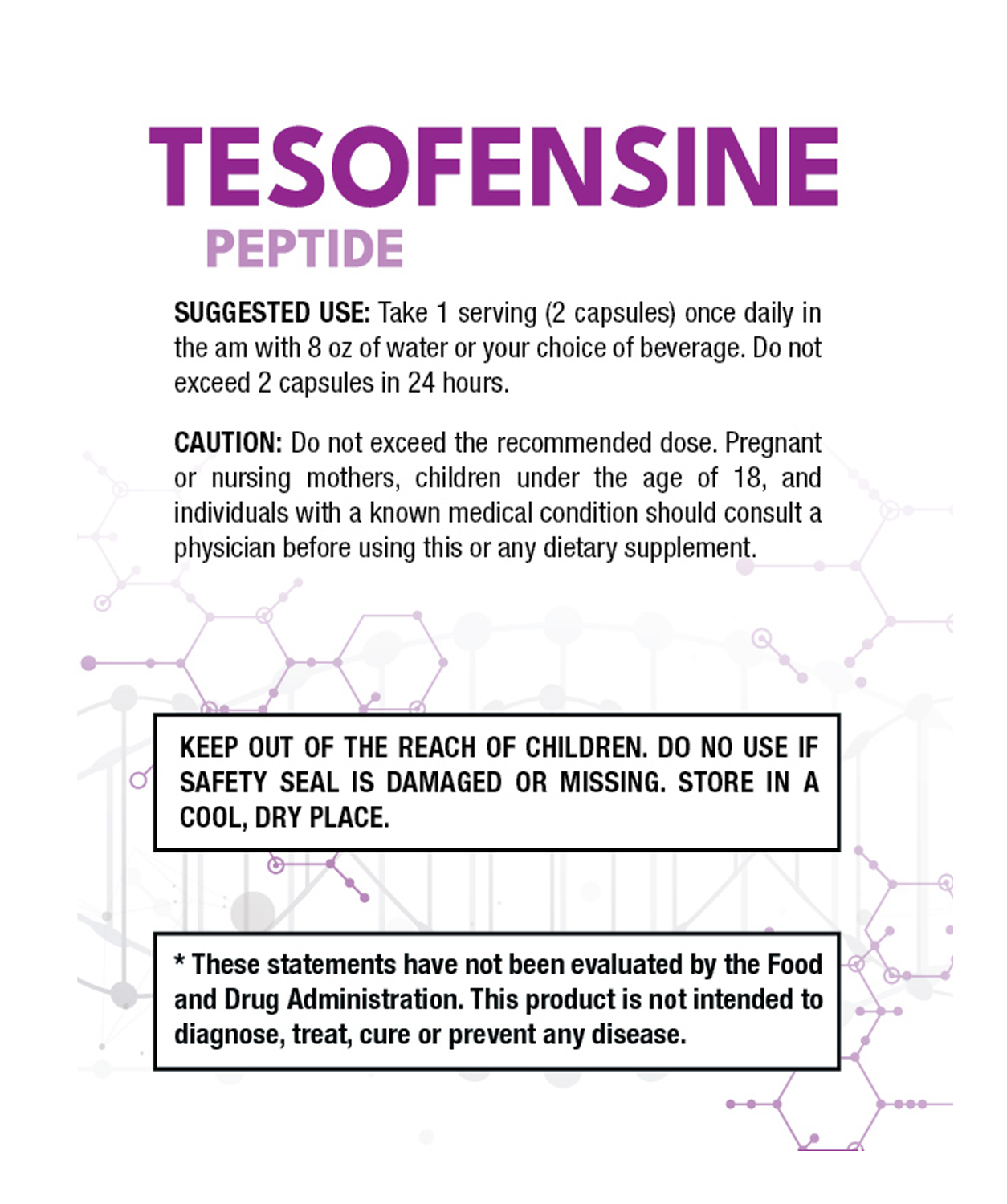
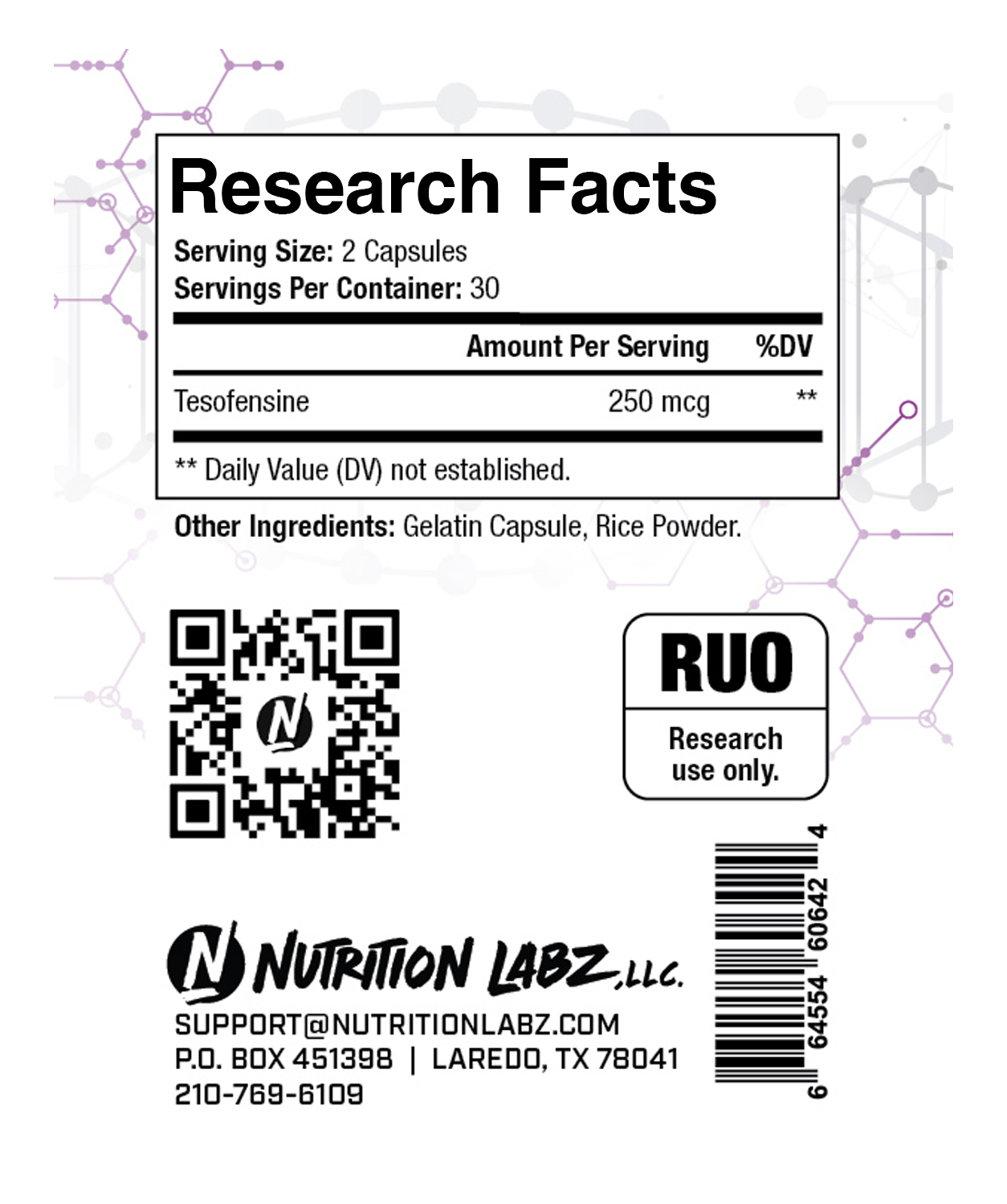
TESO PEPTIDE: TESOFENSINE
Tesofensine (NS2330) is a centrally acting triple monoamine reuptake inhibitor, originally developed for neurodegenerative disorders such as Alzheimer’s and Parkinson’s disease. Its unique mechanism—blocking the reuptake of dopamine, norepinephrine, and serotonin, results in potent appetite suppression and enhanced metabolic activity. As a result, tesofensine has emerged as a promising pharmacological agent in obesity research. In clinical settings, tesofensine 0.5 mg daily has demonstrated 10–12% average body weight loss over 6 months, significantly outperforming many traditional weight-loss therapies. It is administered orally and has an exceptionally long half-life (~9 days), supporting once-daily dosing without complex titration.
$129.00
🚚 Free shipping on all orders (US Only )
🔄 All sales are final
FDA Disclaimer: The statements made within this website have not been evaluated by the US Food and Drug Administration. The statements and the products of this company are not intended to diagnose, treat, cure or prevent any disease. All products are for laboratory developmental research USE ONLY. Products are not for human consumption.
Overview
Tesofensine functions as a non-peptide, CNS-acting agent that modulates central appetite and energy balance pathways. Its dual action—suppressing food intake and modestly increasing energy expenditure, is mediated by increasing monoaminergic signaling in key regions of the hypothalamus and reward circuitry.
Key findings:
- Potent appetite suppressant via dopaminergic and adrenergic signaling.
- Demonstrated ~10% weight loss in obese patients over 6 months (0.5 mg/day).
- Distinct from GLP-1 analogs (e.g., semaglutide) and oral combos (e.g., bupropion/naltrexone).
- Taken orally, with minimal GI side effects compared to incretin-based therapies.
- Not currently FDA-approved but undergoing regulatory review in Mexico.
Tesofensine is structurally a small-molecule compound (not a peptide) and is commonly mislabeled in commercial “research peptide” listings. It is most accurately described as a neurotransmitter reuptake inhibitor with anorectic properties.
Structure
Tesofensine is a non-peptide small molecule with the following properties:
- IUPAC Name: 1-(2,3-dihydrobenzofuran-5-yl)-3-[4-(3-(trifluoromethyl)phenyl)piperazin-1-yl]propan-1-one
- Molecular Formula: C22H25F3N2O2
- Molecular Weight: 406.44 g/mol
- Chemical Class: Diphenylpropanamine derivative
- Mechanism: Inhibition of dopamine (DAT), norepinephrine (NET), and serotonin (SERT) reuptake transporters
It is structurally unrelated to peptide-based drugs like GLP-1 analogs, but rather shares similarities with other monoaminergic agents such as bupropion or sibutramine (though with broader neurotransmitter inhibition and improved tolerability).
Research
Preclinical Findings:
Initial animal studies showed profound reductions in food intake and body weight, with effects linked to central suppression of hypothalamic appetite-regulating neurons. Tesofensine significantly reduces GABAergic firing in the lateral hypothalamus, a critical region for feeding behavior, and enhances catecholamine activity in reward and energy-regulation centers.
Phase II Human Trials (TIPO-1):
- Design: 203 obese patients (BMI 30–40), randomized to 0.25, 0.5, or 1.0 mg tesofensine vs placebo.
- Results (24 weeks):
- 0.25 mg: −6.7 kg
- 0.5 mg: −11.3 kg
- 1.0 mg: −12.8 kg
- Placebo: −2.2 kg
- 0.25 mg: −6.7 kg
- Side Effects: Mostly mild/moderate—dry mouth, insomnia, nausea.
- Discontinuation Rates: 10–15% (vs ~6% placebo)
Phase III Trials (Mexico):
- Sponsor: Saniona + Medix
- Design: 372 subjects; tesofensine 0.25 or 0.5 mg vs placebo
- Outcome: 10% average weight loss at 0.5 mg after 24 weeks
- Status: Awaiting final COFEPRIS approval in Mexico (pending review as of late 2024)
Pharmacokinetics:
- Half-life: ~9 days (parent compound), ~16 days (primary metabolite)
- Route: Oral, once daily
- Bioavailability: Good oral absorption, steady plasma concentrations reached slowly
- Metabolism: CYP3A4-mediated oxidation; minor renal elimination
Referenced Citations
- Astrup A, et al. (2008). Tesofensine for weight loss in obese patients: a randomised, double-blind, placebo-controlled trial. Lancet, 372(9653), 1906–1913. https://doi.org/10.1016/S0140-6736(08)61351-5
- Walther D, et al. (2008). Neurochemical mechanism of tesofensine: triple monoamine reuptake inhibition in rat brain. Neuropsychopharmacology, 33, 2567–2576. https://doi.org/10.1038/sj.npp.1301674
- Mørk A, et al. (2010). Pharmacokinetics and metabolic profile of tesofensine and its major metabolite M1. Journal of Clinical Pharmacology, 50(10), 1104–1114. https://doi.org/10.1177/0091270010376942
- Saniona Press Release (2023). Medix receives technical approval from COFEPRIS for tesofensine. https://saniona.com/press-releases
- Wharton S, et al. (2023). Comparative weight loss with tirzepatide and semaglutide. New England Journal of Medicine, 387(1), 1–10. https://doi.org/10.1056/NEJMoa2206038
- Pi-Sunyer X, et al. (2015). Contrave (bupropion/naltrexone) for weight loss: 1-year data. Obesity, 23(11), 1–12. https://doi.org/10.1002/oby.21123
- Saniona Annual Report (2024). Pipeline updates: tesofensine regulatory milestones. https://saniona.com/investors/reports
- Vilsbøll T, et al. (2021). GLP-1 analogs in the treatment of obesity. Nature Reviews Endocrinology, 17(9), 594–605. https://doi.org/10.1038/s41574-021-00503-2
- Jensen MD, et al. (2014). Pharmacotherapy for obesity: Endocrine Society Guidelines. Journal of Clinical Endocrinology & Metabolism, 99(7), 2199–2212. https://doi.org/10.1210/jc.2014-0345